
Business Model Analysis · 8/11
Hears
Premium hearing protection. LTV in a once-a-decade category.
Premium hearing protection. LTV in a once-a-decade category.
| Criterion | Assessment | Score Bar | Score |
|---|---|---|---|
Market Size & TAM |
Global hearing protection market $2B+. Premium DTC segment underpenetrated. Growing awareness around noise-induced hearing loss. |
0.8/1 |
|
Gross Margin Structure |
~65% gross margin. Strong for hardware. Premium positioning supports pricing power across all SKU tiers. |
0.9/1 |
|
CAC Efficiency |
Strong organic potential in music and festival communities. Product is giftable — word-of-mouth is a real channel. CAC manageable at this price point. |
0.8/1 |
|
Repeat Purchase Rate |
Core product lasts years. Structural repeat rate is low. Accessories and gifting are the engineered paths to second purchase. |
0.5/1 |
|
LTV Compounding |
LTV is structurally capped by category frequency. Accessories, custom tiers, and gifting unlock incremental value but do not replace consumable LTV compounding. |
0.6/1 |
|
Structural Differentiation |
Premium materials, tuned attenuation, and design-forward aesthetic separate Hears from drugstore foam alternatives. Genuine product differentiation. |
0.9/1 |
|
Defensibility / Moat |
Brand equity in a niche with strong community identity. Custom SKU tier adds switching friction. Not impenetrable but defensible within community channels. |
0.7/1 |
|
Distribution Leverage |
DTC works well. Festival and venue partnerships are natural retail adjacencies. Category not yet well-served in premium retail — distribution opportunity exists. |
0.7/1 |
|
Retention Mechanic |
No structural retention built into core product. Retention must be manufactured via accessories, gift marketing, and new product lines. Email-dependent. |
0.5/1 |
|
Scalability |
Scalable manufacturing. The constraint is market education and frequency, not production. Good scalability once brand awareness compounds. |
0.8/1 |
|
Business Model Clarity |
Clear positioning and price ladder. The path to repeat purchase requires deliberate architecture but is legible. Honest about the structural challenge. |
0.8/1 |
|
TOTAL VIABLE SCORE |
8.0/11 |
||
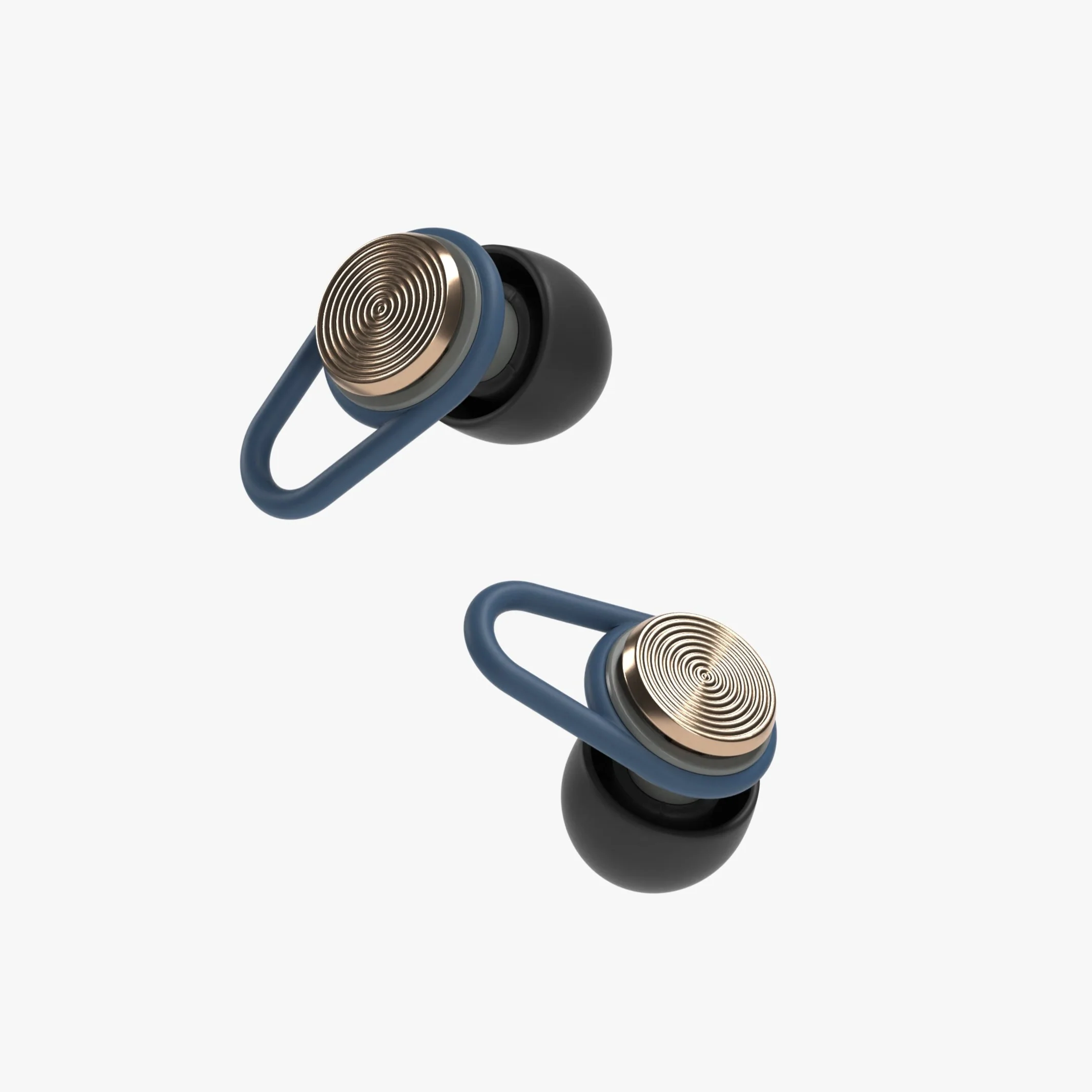
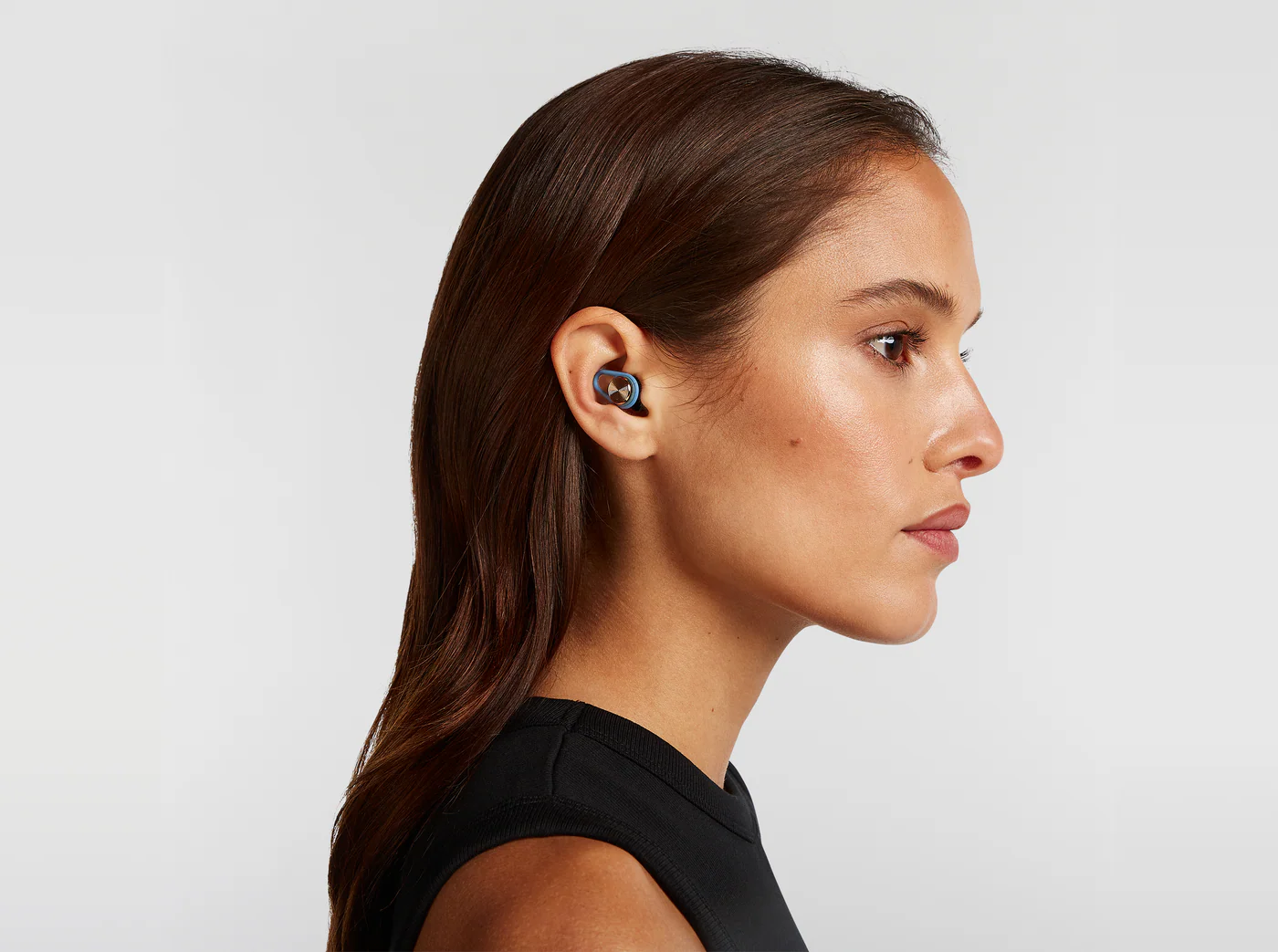
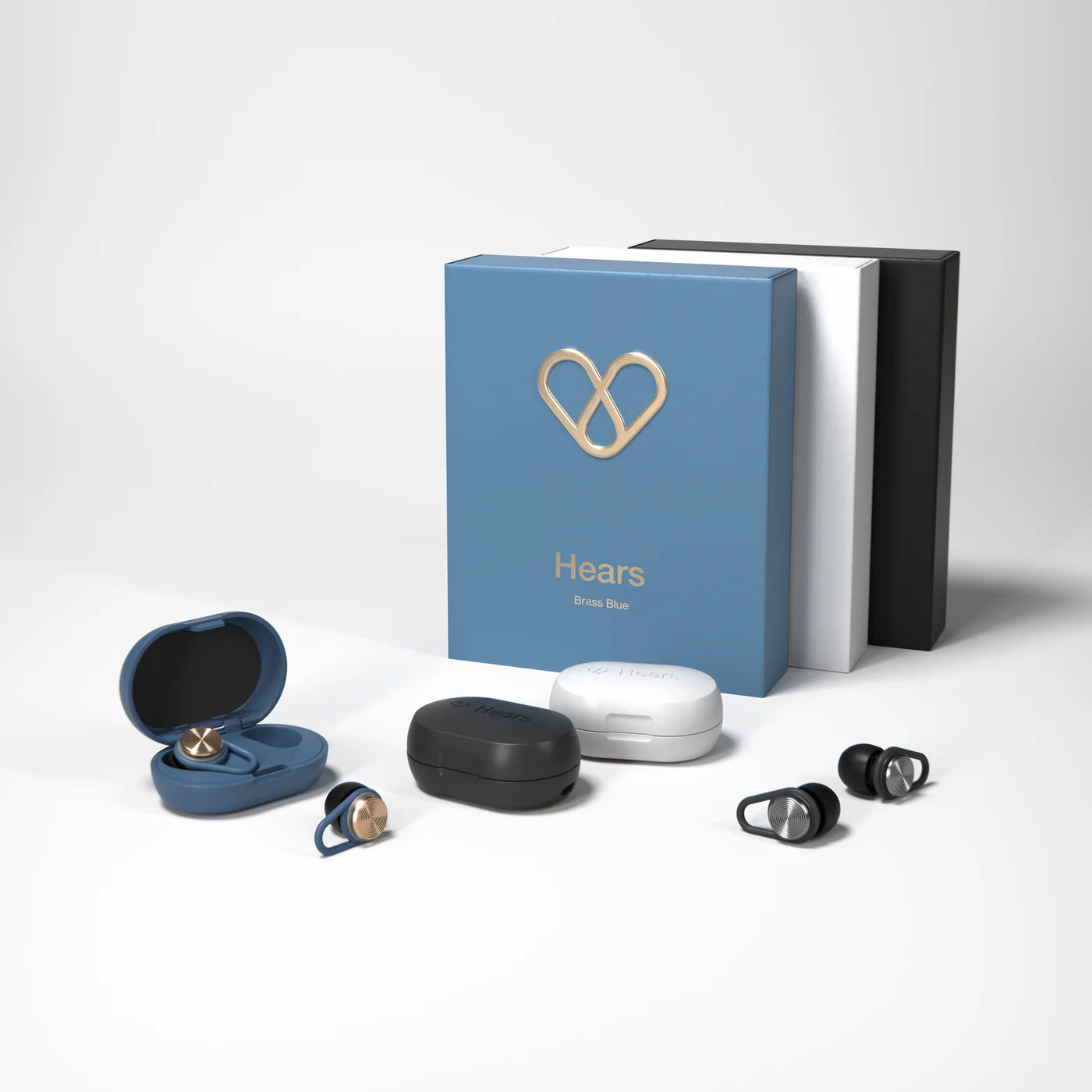
Hears identified a real problem — music lovers, concert-goers, and working professionals are all damaging their hearing in environments where foam earplugs are the only accessible solution. The insight is correct. The market is underserved. The product is genuinely better.
The business model challenge is structural and not unique to Hears: hearing protection is not a consumable. A customer who buys a pair of premium earplugs at $40–60 does not need another pair for years. The product does its job too well. This is the central tension the entire model must be built around.
The answer Hears is working toward is multi-tier SKU architecture — starter, pro, and custom tiers — combined with accessories (cases, cleaning kits, carry pouches) and explicit positioning in the gift market. None of these fully replicate consumable LTV, but together they create a path toward meaningful repeat revenue.
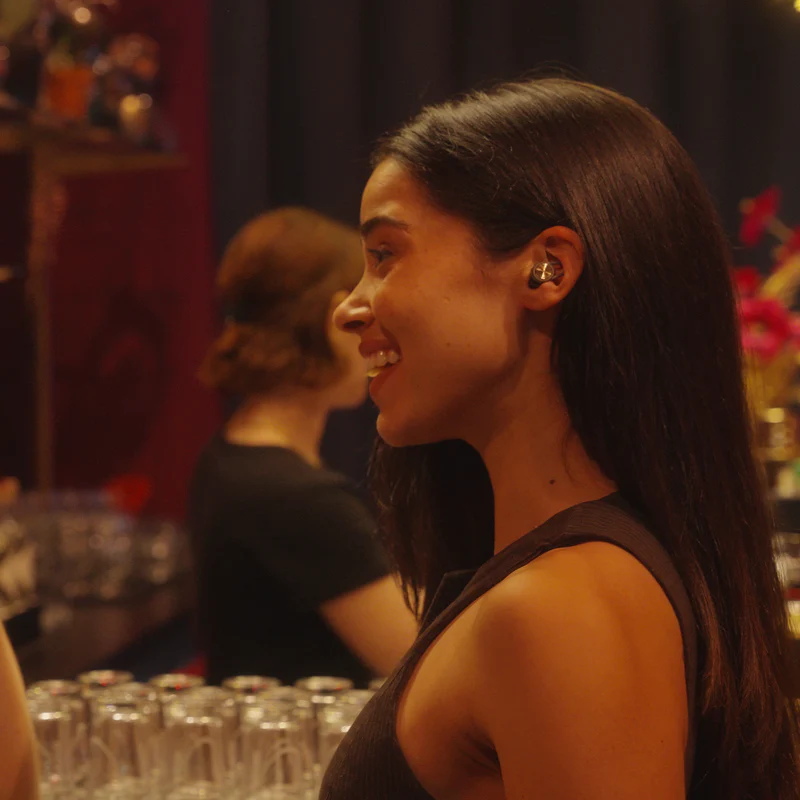
The unit economics at the transaction level look good. ~65% gross margin on a $40–60 product means healthy contribution per order. AOV is strong. The problem is that the denominator in any LTV calculation — purchase frequency — is structurally low.
In a consumable brand, a 65% margin compounds with monthly or quarterly repurchases. In a durable goods brand, that margin is captured once every several years from the same customer. The LTV ceiling is low unless the brand deliberately engineers additional purchase occasions into the model.
Accessories are the correct answer. A $15 cleaning kit or $20 carry case sold to an existing customer costs near-zero in CAC and runs at high margin. The play is to build an accessories ecosystem that converts one-time customers into multi-purchase accounts over a two to three year window.
Unlike a consumable brand where retention is structural — the product runs out, the customer reorders — Hears must manufacture every second purchase. There is no natural frequency driver. The product does not expire. The customer does not run out.
This does not make the business unviable. It makes it harder. The three legitimate paths to manufactured retention are: accessories (cases, cleaning kits, replacement tips), gifting (positioning Hears as the premium gift for the music lover in someone's life), and product line expansion (new SKUs for different use cases: sleep, travel, sports).
The gift market is underexploited by most brands in this category. A $50 product with premium branding and a clear occasion — festival season, birthdays for music lovers — is a genuine gift. Gift purchasers often become direct customers. The gifting flywheel, if built deliberately, is a real acquisition and retention channel combined.
Building in a low-frequency category is possible. These are the structural decisions that determine whether a brand like Hears reaches $30M or stalls at $8M.
Download the full Hears Business Model Playbook. Includes the complete scorecard breakdown, unit economics model, retention analysis, and the replication framework for low-frequency categories.